
M 3.4 - NEAR EAST COAST OF HONSHU, JAPAN
NEAR EAST COAST OF HONSHU, JAPAN
6 days ago • Friday, August 7, 2026 at 7:41 AM UTC
Event Details
Latitude
35.6000°
Longitude
140.1000°
Depth
70.00km
Status
reviewed
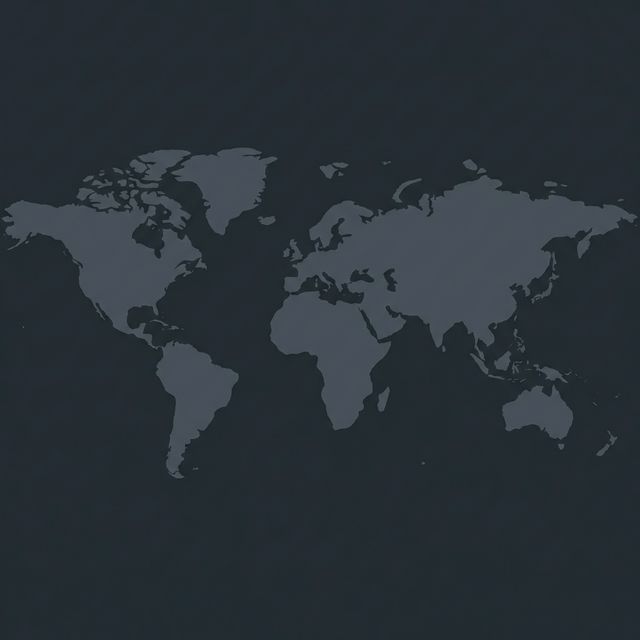
Event Map
Is This Earthquake Dangerous?
A magnitude 3.4 earthquake is classified as minor. Often felt, but rarely causes damage.
Depth: 70.0 km — This intermediate-depth earthquake may cause less intense surface shaking than a shallow one.
What Does Magnitude 3.4 Mean?
Every whole number increase in magnitude represents a 10× increase in wave amplitude and ~31.6× increase in energy released.
Why Did This Earthquake Happen?
Earthquakes occur when stress built up along tectonic plate boundaries or faults is suddenly released. The JAPAN region sits near active geological boundaries where plates are constantly moving, colliding, or sliding past each other.
At a depth of 70.0 km, this seismic event originated in the upper mantle, below the Earth's crust. The energy released traveled outward as seismic waves, causing the shaking felt at the surface.
Learn more about how earthquakes work →Earthquake Safety: What Should You Do?
During the Shaking
- • Drop, Cover, and Hold On
- • Get under a sturdy table or desk
- • Stay away from windows and heavy objects
- • If outdoors, move to an open area
After the Shaking
- • Check for injuries and damage
- • Be prepared for aftershocks
- • Avoid damaged buildings
- • Listen to emergency broadcasts
Be Prepared
- • Keep an emergency kit ready
- • Know your evacuation routes
- • Secure heavy furniture to walls
- • Practice earthquake drills
Explore More Earthquakes
Stay informed about seismic activity around the world. Track live earthquakes and explore historical data.
💬 Did You Feel This Earthquake?
Let others know if this earthquake was felt in your area.